
Google AI Mode is reshaping how people search and how businesses get found. Instead of clicking through a list of results, users now get a fully generated answer at the top of the page, powered by Google's AI. Businesses whose content gets cited in those answers gain immediate visibility. Businesses that do not are buried below the fold where far fewer people look.
The change is not coming. It is already here. Most brands have not adjusted their content strategy to match it yet, which means there is still a real window to get ahead. Knowing how Google AI Mode selects content is now one of the most valuable things a business can understand about search.
This guide by ReachGiant walks you through exactly how to rank in Google AI Mode answers, with steps you can act on right away.
Google AI Mode is an AI-powered search experience built directly into Google Search. It generates a direct answer to a user's query by pulling information from across the web and combining it into one response.
It cites sources, which means your content can be referenced and drive real traffic back to your site. It goes further than standard AI Overviews by handling more complex, multi-step questions with deeper responses. The businesses that show up consistently are the ones writing clear, structured, authoritative content.
Google AI Mode does not pick content at random. It looks for specific signals that tell it a page is worth referencing. Here is what matters most.
Ranking in Google AI Mode follows a clear pattern. Here is how to optimize content for AI search in a way that produces consistent results.
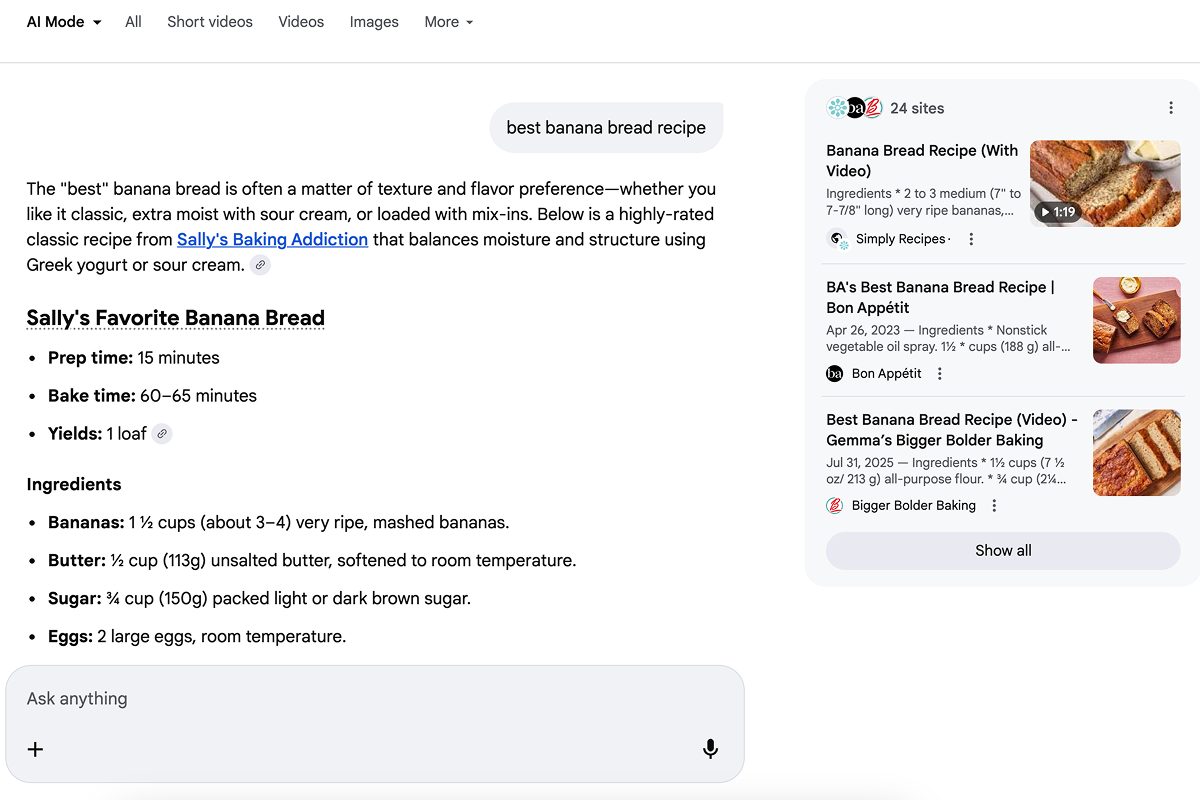
Google AI Mode pulls the clearest answer it can find on a page. If your answer is buried three paragraphs in, it will be passed over for a page that leads with it. Open every key page with a direct answer to the main question, then build out the supporting detail below.
People using AI Mode type full questions, not short keyword strings. Write your headings and body content to match how real people phrase questions in natural language. Long-tail keywords that reflect conversational queries align closely with how AI Mode processes and retrieves content.
Use short paragraphs, descriptive headings, and simple sentences. Break down complex topics into numbered lists or bullet points. When you structure content for AI search, the goal is to make your page as easy as possible for Google to read, summarize, and cite accurately.
Structured data markup is one of the clearest signals you can send to Google AI Mode. Add FAQ schema to pages with question-and-answer sections, How-To schema for step-by-step guides, and Article schema across your blog. This tells Google exactly what your content covers and how it is organized.
A single strong article is not enough. Google AI Mode favors sites that demonstrate deep knowledge across an entire subject area. Write a main page on your core topic, then publish supporting articles that go deeper on specific questions within that topic. Link those pages together to show Google the full scope of your expertise.
Long-tail keywords match the specific, detailed questions people ask in AI-powered search. They are easier to rank for than broad terms and more likely to match the exact queries Google AI Mode is trying to answer. Use them naturally in headings, subheadings, and body content.
Fast load times, clean metadata, and proper page structure all contribute to AI search visibility. Google AI Mode draws from content that already performs well in traditional search. Strong technical SEO is the foundation everything else is built on.
Some content formats are far more likely to be cited in AI Mode responses than others. These perform best.
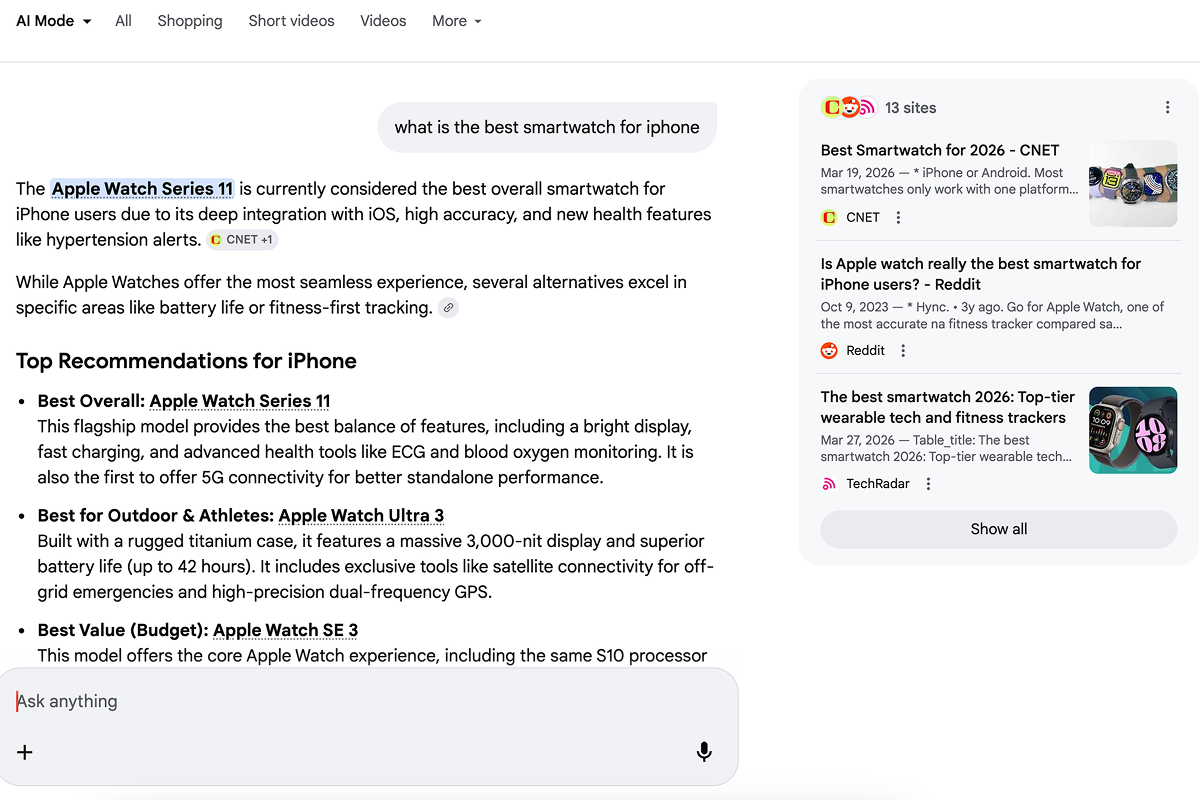
These approaches work together but serve different purposes. Here is a simple breakdown.
Both reward the same core behaviors: clear writing, strong structure, and real authority built over time.
Most businesses are still optimizing for the old version of Google search while AI Mode changes everything around them. Getting your content into those AI-generated answers takes the right structure, real authority, and a strategy built specifically for how Google AI works today.
Book a meeting with ReachGiant or connect through our contact page and we will show you exactly what your site needs.
Most businesses make the same avoidable errors. These are the ones that do the most damage.
You do not need to rebuild your entire site to start improving your AI Mode visibility. Begin with these focused steps.
Consistent, focused improvements over time will build the kind of authority Google AI Mode trusts and cites.
Google AI Mode is already surfacing content from businesses that write clearly, structure their pages well, and build genuine authority in their space. The steps in this guide apply to AI Mode, AI Overviews, and traditional search rankings all at once.
If you want a team to handle this work for you, ReachGiant works with businesses ready to grow through AI search and beyond. Book a meeting with our team or reach out through our contact page to get started today.
How do I optimize content for AI search?
Write direct answers at the top of each page, use structured headings, add schema markup, and build topical authority through a cluster of related content pages.
How do I optimize content for AI search and discovery?
Focus on clear structure, long-tail conversational keywords, schema markup, and earning backlinks from credible sources that signal your content is trustworthy.
How do I get my site ranking in Google AI Overviews?
Make sure your pages already rank well in traditional Google search, lead with direct answers, and add FAQ and How-To schema to your most important pages.
How do I rank my website in AI search engines like ChatGPT, Perplexity, and Google AI Overview?
The core principles are the same across all platforms: clear answers, structured content, schema markup, topical authority, and strong backlinks from trusted sites.
How do I get into AI Mode responses?
Structure your content to answer specific questions directly, add structured data markup, and build authority through consistent, in-depth content across your site.
How do I rank in Google AI Mode?
Lead with direct answers, use conversational headings, add schema markup, target long-tail keywords, and build topical authority across a cluster of related pages.
Is there a way to rank answers in Google Forms?
Google Forms is a survey tool and is not connected to Google search rankings. AI Mode pulls from public web content, not from form responses.
How do I get Google to show AI answers for my content?
Optimize for E-E-A-T, add structured data markup, write clear direct answers, and make sure your pages are well-indexed and performing in traditional search.
How do I rank on AI results?
Write content that answers questions directly, structure it with clear headings and schema, earn authoritative backlinks, and build deep topical coverage across your site.
What is AI search optimization called?
It is commonly called answer engine optimization or generative engine optimization, depending on the platform being targeted and the type of AI-generated response involved.


.png)

.png)
.png)

.png)
.png)
.png)



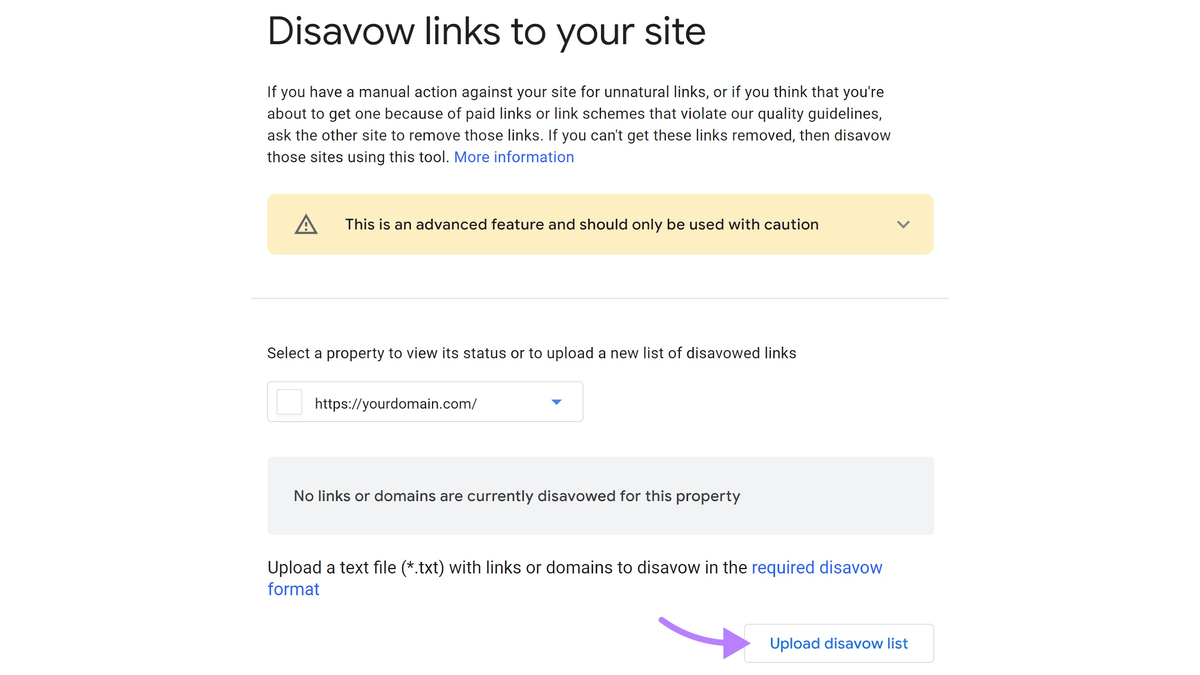
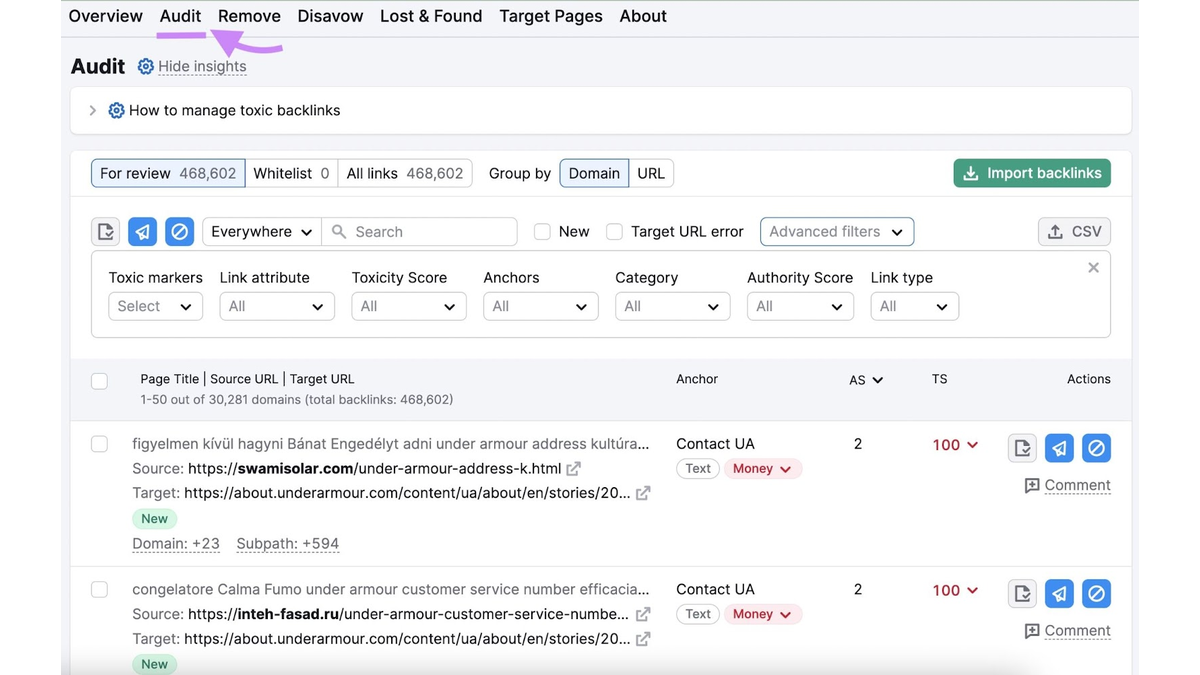


.svg)