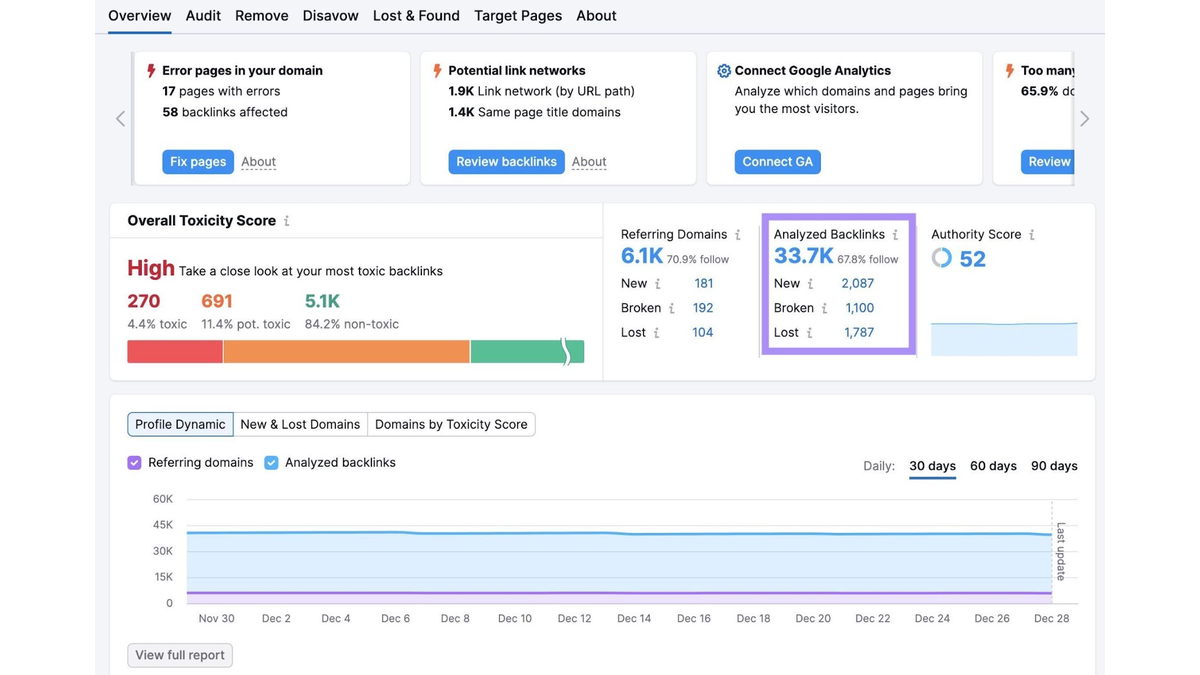
Toxic backlinks are inbound links so spammy, unnatural, or manipulative that they create real risk for a website's search performance, though not every messy looking link deserves that label. Before removing or disavowing anything, it helps to know which links are genuine threats and which ones are just harmless noise.
As a digital marketing agency, ReachGiant works with businesses to strengthen SEO, sharpen digital visibility, and build a web presence that holds up over time. This guide breaks down what toxic backlinks actually look like, how to spot them, and when acting on them is actually worth the effort.
A backlink is simply a link from another website pointing to yours, and search engines treat these links as a signal of trust and relevance. A toxic backlink is the industry term for a link that looks like it exists purely to manipulate rankings rather than to genuinely reference your content. That distinction matters because a low quality backlink is not automatically a harmful backlink.
Google's systems are built to recognize and largely ignore obvious link spam on their own, without needing a site owner to step in. Risk shows up when links form a pattern, when they come from sources with clear manipulative intent, or when they sit alongside other red flags in your link profile. A single strange looking link rarely tells the whole story.
Certain patterns show up again and again when a backlink profile has genuine problems.
Spotting one of these signals is a reason to look closer, not a reason to disavow on the spot. Context, scale, and intent still decide whether a link is actually dangerous or just cosmetic clutter.
Manipulative link building can create genuine SEO risk, especially for sites that have leaned on unnatural links or drawn a manual action from Google. Warning signs include a drop in organic visibility, a flagged link profile, or an obvious pattern of purchased or traded links tied to a broader link scheme.
That said, most random spammy backlinks floating around the web do not translate into a ranking problem. Google's own filtering absorbs a large share of low value links before they ever influence anything, which is one reason fear driven link cleanup so often does more harm than good. A healthy dose of skepticism toward alarming toxicity scores tends to serve a business better than an aggressive purge.
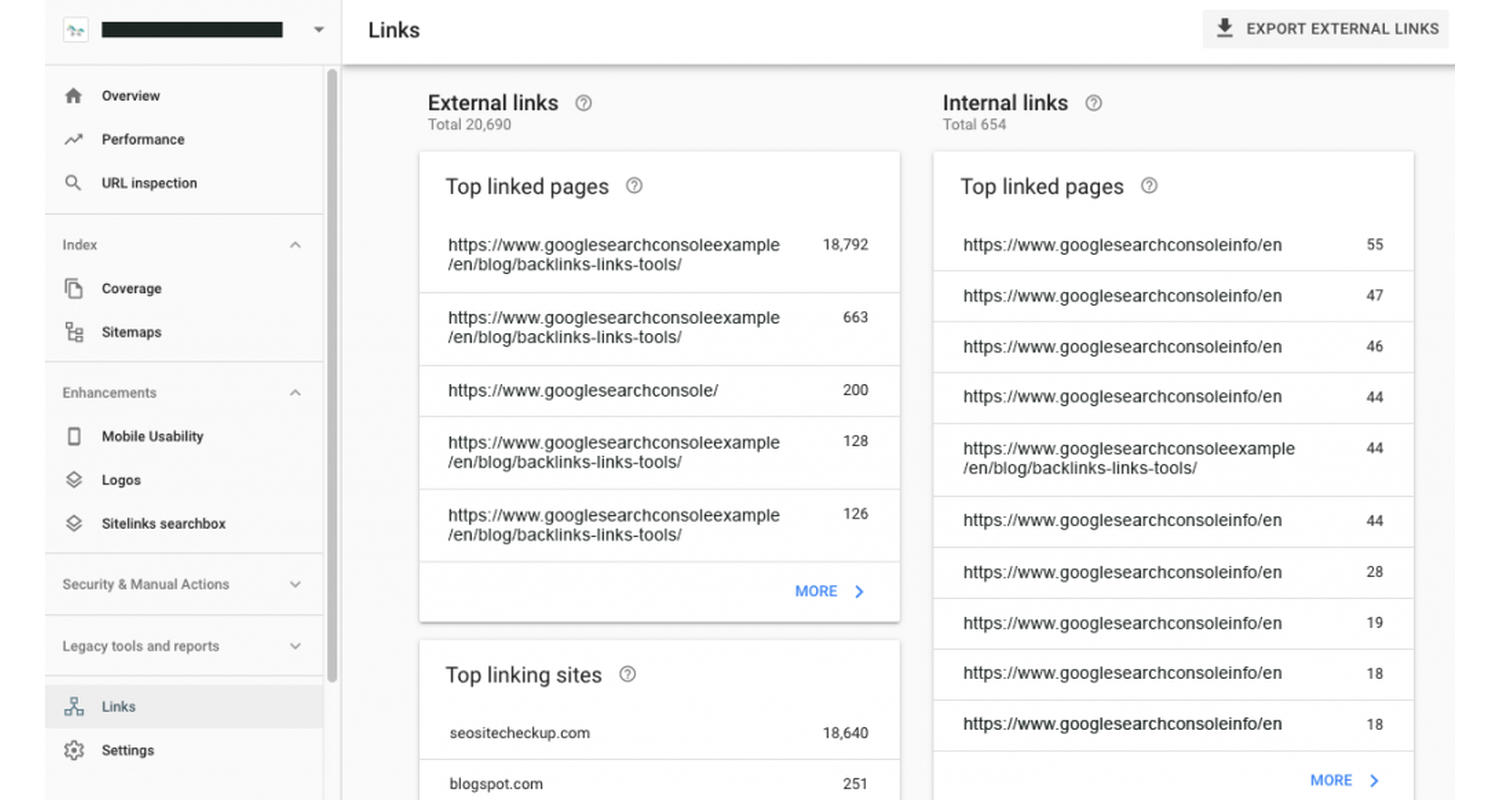
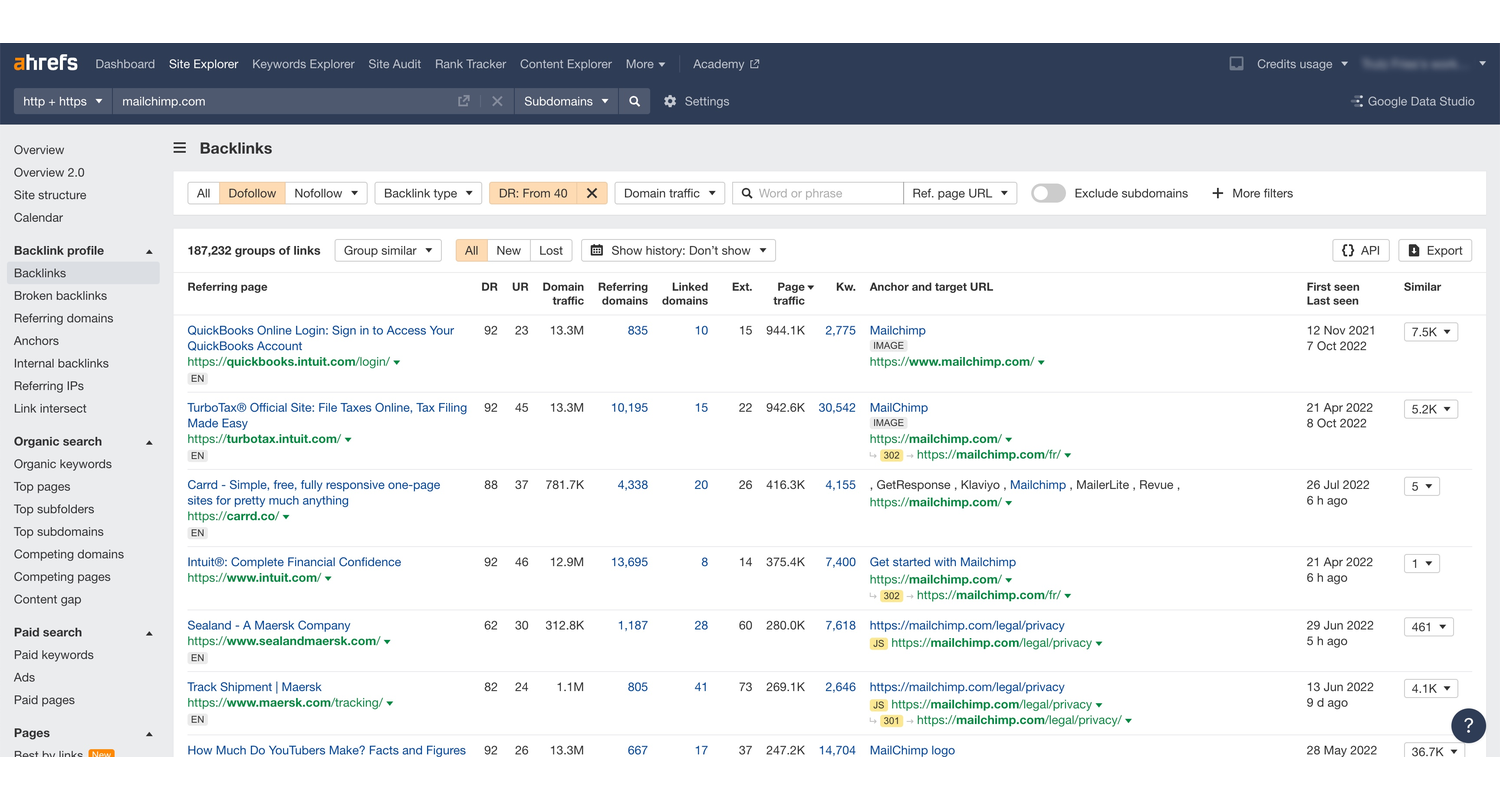
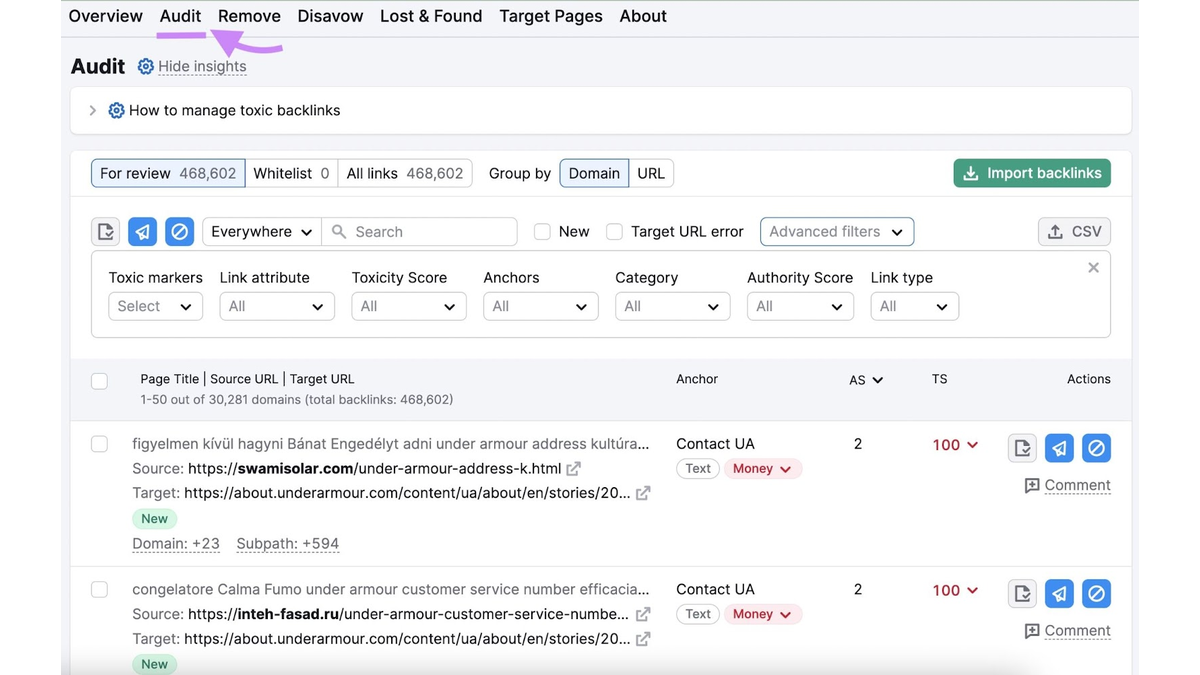
Finding potentially toxic backlinks usually means checking your linking domains in Google Search Console, running a backlink audit tool for a broader view, and finishing with a manual review of anchor text and source relevance. No single method tells the whole story on its own, which is why most agencies layer all three together before drawing any conclusions.
For a full walkthrough of which tools handle this best and how to read their results, our guide on tools that identify toxic backlinks breaks it down in detail.
This decision is where most of the confusion around toxic backlinks actually lives. A simple framework helps.
Disavowing a link should be treated as a risk management decision, not routine maintenance. Removing links you do not fully understand can strip away signals that were actually helping your site's organic search rankings.
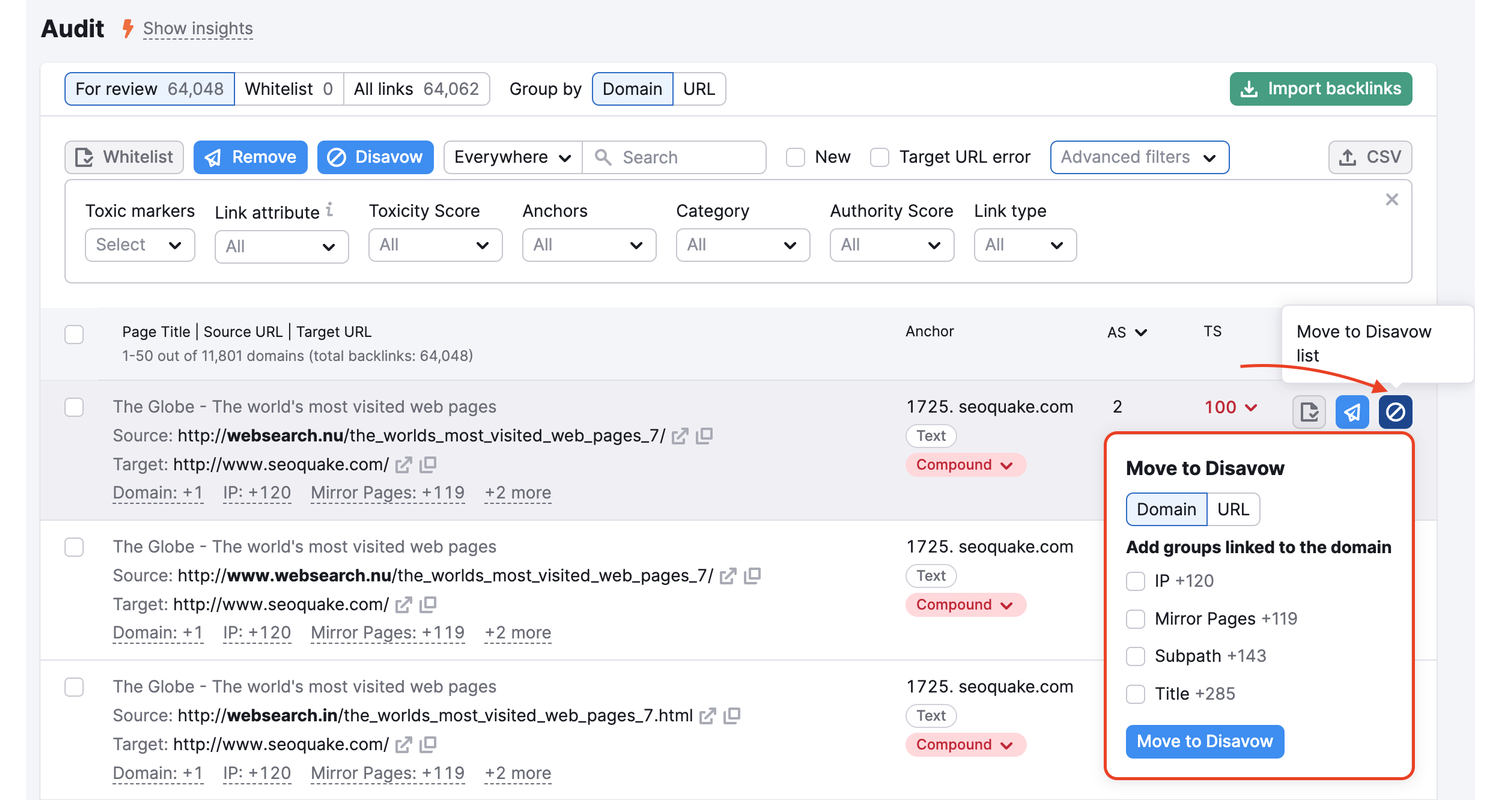
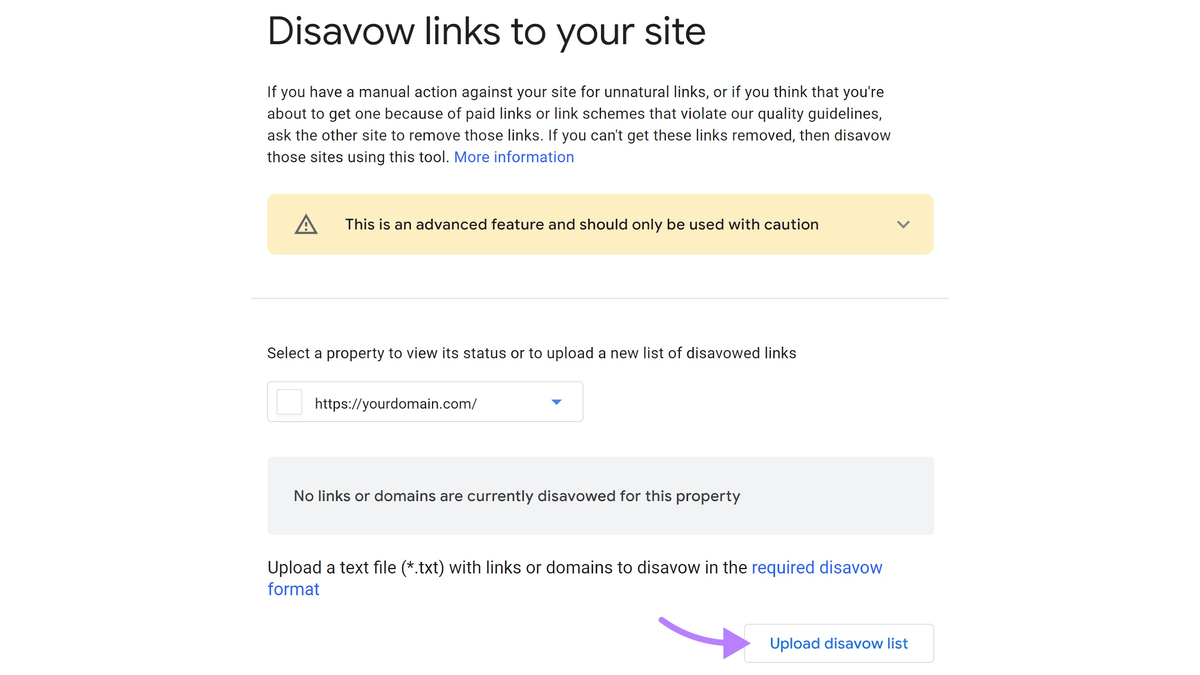
Once you know which links actually deserve action, the process usually moves through direct outreach first, then documentation for anything that cannot be removed that way, then Google's Disavow Tool as a last resort.
Disavowing carries real risk when it is done without a clear process, since it can strip out links that were quietly helping your rankings. Our step by step guide on how to disavow toxic backlinks walks through exactly when and how to use the tool safely.
Not every rough looking backlink is dangerous, and treating them all the same way usually causes more harm than the links themselves ever would. The real goal is separating genuine manipulation from harmless noise, then choosing between monitoring, removal, and disavowal based on what the evidence actually shows.
If backlink quality or broader SEO performance feels like it is holding your site back, a professional SEO review can pinpoint exactly where the opportunity sits. Reach out to ReachGiant or book a quick strategy call to talk through what a stronger link profile could do for your growth.
What makes a backlink toxic?
A backlink typically becomes risky when it shows clear signs of manipulation, such as spammy sources, unnatural anchor text, or sudden spikes in low quality links. No single signal makes a link harmful on its own, so context always matters.
How can I check for toxic backlinks?
Start with Google Search Console to review your linking sites, then run a backlink audit tool for a broader view. A manual review of anchor text and source relevance rounds out the picture.
Should I remove every toxic backlink I find?
No. Many low quality links cause no real harm and require no action. Review each one for actual risk signals before deciding whether removal or disavowal makes sense.
How do I remove toxic backlinks?
Contact the linking website directly when removal is realistic, and keep a record of anything that cannot be taken down that way. Reserve disavowal for cases with genuine, ongoing risk.
When should I use Google's Disavow Tool?
Save it for serious, unnatural link patterns tied to manipulation or a manual action, not for ordinary spam. Used too often, it can strip out links that were actually helping your site.
Can toxic backlinks hurt my Google rankings?
Manipulative link patterns can create real risk, especially alongside a manual action. Random low quality links rarely cause ranking problems since Google filters out much of that noise automatically.
What is the difference between a bad backlink and a toxic one?
A bad backlink might just look unpolished or come from a low authority site. A toxic backlink specifically shows signs of intentional manipulation, which is what actually raises SEO risk.
Can a backlink audit alone tell me if a link is dangerous?
An audit tool flags patterns worth investigating, but it should not be the only factor in a removal decision. Manual review adds context that automated scoring tends to miss.
How often should I review my backlink profile?
There is no fixed schedule that fits every website. Reviewing after a ranking drop, a manual action, or a period of unusual link growth is generally more useful than a routine check.
Does a strong backlink profile guarantee good rankings?
No, backlinks are one of several ranking factors. A healthy link profile supports strong SEO, but content quality, site experience, and technical health all play a role too.


.png)

.png)
.png)

.png)
.png)
.png)





.svg)