AI copywriting has changed how marketers build and test Google Ads. The process is faster, easier to scale, and less reliant on guesswork. But getting strong results still requires knowing how to guide the AI and when to step in yourself.
AI copywriting means using AI tools to generate, test, and optimize ad copy at a scale that would take a human team far longer to produce manually. For Google Ads specifically, this covers headlines, descriptions, responsive search ad variations, and call-to-action text.
Google itself uses AI to help with ad copy through features like automatically created assets and Performance Max campaigns. Third-party tools like Gemini, ChatGPT, and others add another layer of support for writing and testing. AI-assisted ad copy testing is now one of the fastest-growing practices among paid search teams.
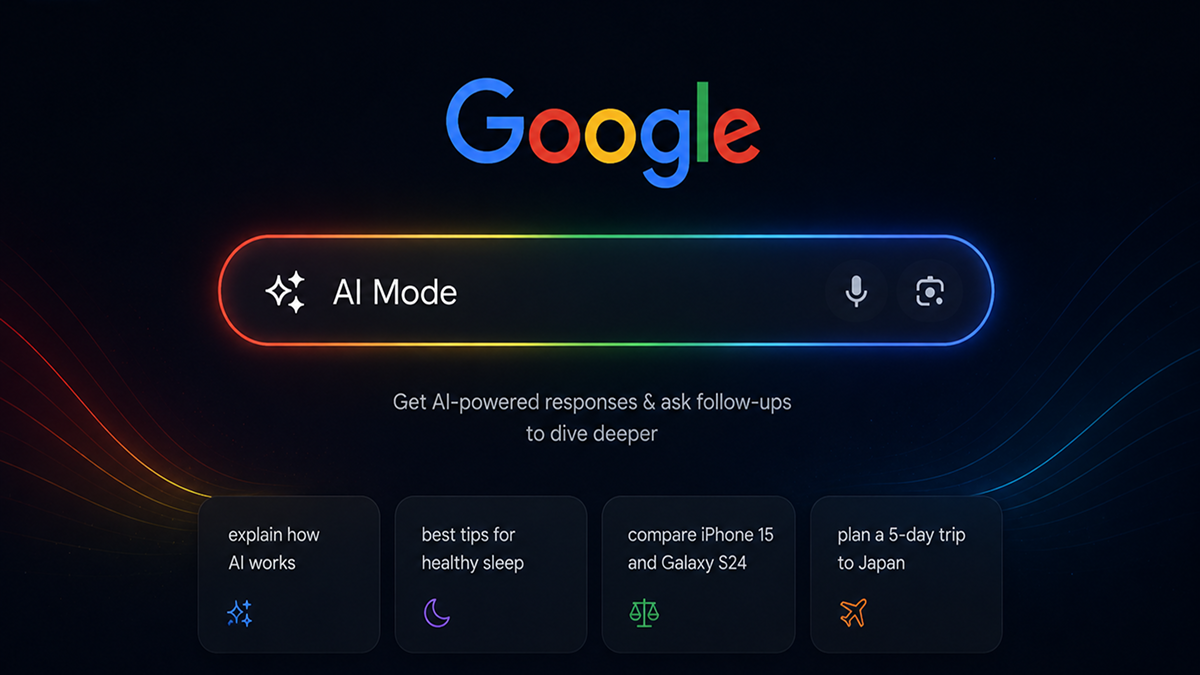
Google's AI does more than automate bidding. It actively influences your ad copy through several built-in features.
Understanding how Google's AI uses your inputs helps you write better raw material for it to work with.
Good AI ad copy starts with good prompts. Weak prompts produce generic output that sounds like every other ad in your space.
A strong prompt for Google Ads copywriting includes four things.
An example prompt looks like this. "Write 10 Google Ads headlines for a plumbing company targeting homeowners in Los Angeles searching for emergency pipe repair. Max 30 characters each. Use urgent, direct language."
That level of detail is what separates useful AI generated ads from filler copy.
Gemini is Google's AI tool and it connects directly with Google Ads, making it a strong starting point for AI generated Google Ads copy. You can use it to brainstorm headlines, rewrite weak descriptions, and test different angles without starting from scratch each time.
Gemini works well when you give it context about your campaign goals and search intent. Ask it to write copy for specific match types, different audience segments, or various stages of the buying process.
Pairing Gemini with your own knowledge of the account gives you a faster workflow without losing control over direction and quality.
Several AI tools for copywriting work well for Google Ads campaigns beyond what is built into the platform.
No single tool does everything well. At ReachGiant, our paid media team uses a combination of these depending on the account size, campaign type, and client goals.
AI copywriting helps improve Google Ads CTR when you use it as part of a system rather than randomly generating copy and hoping something lands.
These are the same steps our Google Ads team applies when auditing accounts that are getting impressions but not enough clicks.
The biggest risk with AI copywriting is ending up with ads that could belong to any company in your category. Generic copy does not build brand recognition or trust over time.
To keep your brand voice intact, give the AI examples of copy you have already approved. Tell it what tone to match, what words to avoid, and what the brand does not sound like. Treat it like briefing a copywriter who has never worked with your business before.
This applies across paid channels. Whether you are running Google Ads or Meta Ads, consistent voice across platforms builds recognition and makes your ads feel familiar to repeat visitors.
Search intent is the reason someone typed a query. AI generated ads that ignore search intent get impressions but not clicks. Copy that matches what the user actually wants at that moment performs better across every metric.
Use AI to write different copy for each intent stage.
AI tools make it faster to produce a full set of copy for each intent stage. The strategy behind which angle to use still comes from you.

The honest answer is neither on its own. AI copywriting is faster and easier to scale. Human writing brings strategic thinking, real brand knowledge, and the ability to spot what sounds off.
The teams getting the best results from Google Ads copywriting treat AI as a first-draft tool and a testing engine. Humans set the direction, review the output, and make the final call on what goes live. That combination is what actually moves performance numbers.
ReachGiant helps businesses build Google Ads strategies that use the right tools without replacing the thinking behind them. If you want a team that combines AI efficiency with hands-on account management and expert copywriting, book a meeting or contact us to get started.
Does AI copywriting make money?
Yes, when used well. AI copywriting speeds up production and makes it easier to test more ad variations. Faster testing leads to better-performing ads. Better ads lower cost per click and cost per lead, which directly affects what you earn from your ad spend.
What AI tool is best for Google Ads copywriting?
Gemini integrates directly with Google Ads and is a strong starting point. ChatGPT and Jasper work well for headline brainstorming and variation testing. The best tool depends on your workflow, account size, and how much customization you need.
How do you write website copy using AI without being flagged by Google?
Google does not penalize AI-written content as long as it is useful and not deceptive. Focus on accuracy, clear messaging, and matching search intent. Review every AI output before publishing and edit anything that sounds generic or off-brand.
Can I run paid Google Ads myself or should I hire a marketing company?
You can run them yourself, but the learning curve is steep. Campaign structure, bidding strategy, audience targeting, and ad copy all affect results. Many businesses start DIY and switch to a professional team once budget and complexity increase.
Is AI copywriting better than human writing?
Neither is better on its own. AI is faster and scales easily. Human writing brings strategy, brand knowledge, and judgment. The best Google Ads copy comes from using AI as a drafting tool with a human reviewing and refining the final output.
What are the benefits of AI copywriting for businesses?
AI copywriting saves time, produces more variations for testing, and reduces the cost of producing large volumes of ad copy. It also makes it easier to write copy for multiple audiences, platforms, or campaign types without starting from scratch each time.
Will AI replace copywriters?
It is more likely to change the role than replace it. AI handles first drafts and variations. Copywriters focus more on strategy, brand voice, and quality control. The demand for people who can guide and edit AI output is growing, not shrinking.
Which AI tool is best for generating copywriting services?
For marketing agencies and freelancers, Jasper and Copy.ai are popular for their built-in marketing templates. ChatGPT works well for flexible, customized prompts. The best choice depends on volume, platform focus, and how much you need to customize outputs.
How does Google's AI Mode influence which ad copy gets shown?
Google's AI evaluates your headlines and descriptions against the search query, landing page content, and expected click-through rate. Copy that closely matches user intent and landing page messaging tends to get shown more. Strong asset variety gives Google more combinations to test.
What are the best prompts for high-converting Google Ads?
Include the product or service, the target audience, the search intent, and the format you need. Be specific about character limits and tone. The more context you give the AI, the better the output. Always review and test before pushing copy live.


.png)

.png)
.png)

.png)
.png)
.png)





.svg)