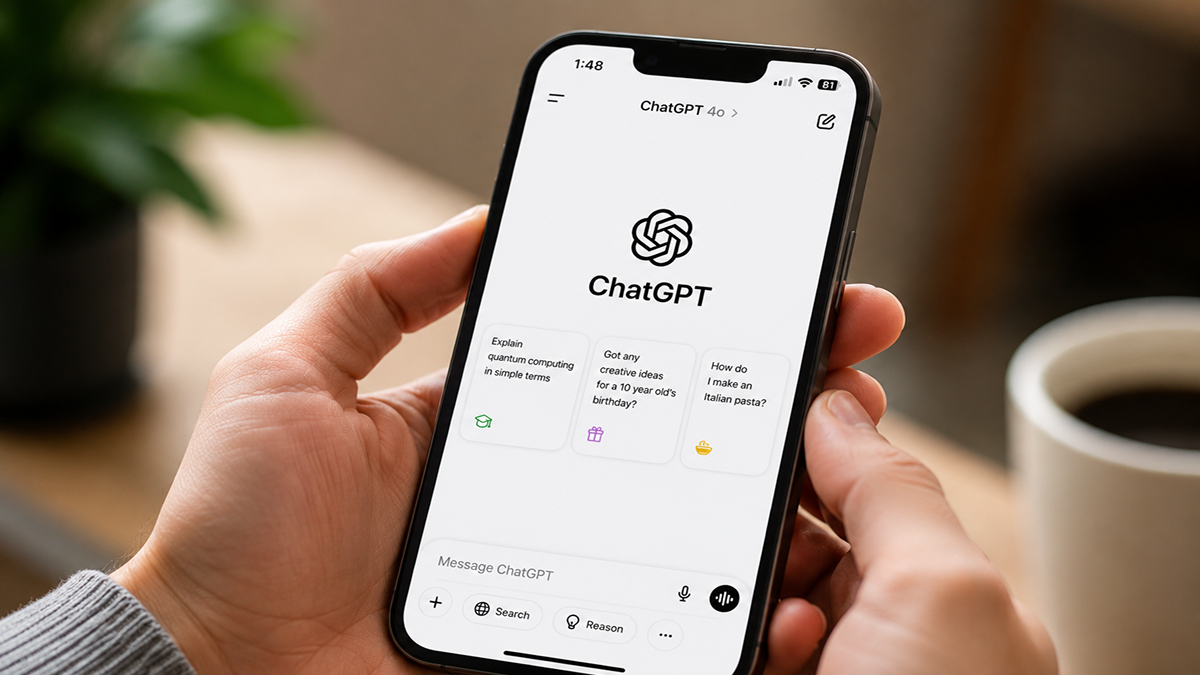
Search is changing fast. ChatGPT, Google AI Overviews, and other AI tools now answer questions directly, often without sending users to a website at all. If your brand is not showing up in those answers, you are losing visibility you do not even know about. This guide breaks down how AI search works, what it looks for, and how to optimize your site so it gets cited more often.
AI tools like ChatGPT pull answers from sources they trust. They look for brands with clear expertise, strong entity signals, and content that directly answers questions. If your site does not match that profile, AI skips it and cites a competitor instead.
This is not future planning. It is happening now. Users are typing questions into ChatGPT, pr, and Google's AI Overviews and getting answers without clicking a link. The brands getting cited are the ones that have built credibility in ways search engines and AI can read.
AI search visibility is now a real measure of how well your digital presence is working.
Traditional search is keyword-based. You type "web design agency California" and Google returns a list. Conversational search is different. Users ask full questions like "what is the best web design agency for a small business in California" and expect a direct answer.
AI search handles conversational long-tail queries better than any search engine before it. That changes what content needs to do. Instead of targeting short keywords, your content needs to answer questions clearly, in natural language, with enough context for AI to pull and cite your answer.
If your content is written in dense paragraphs that bury the answer, AI will skip it. Clear, structured content that answers a question in the first few sentences performs better in AI results.
Here are helpful ways to maximize the use of ChatGPT and AI search for SEO growth.
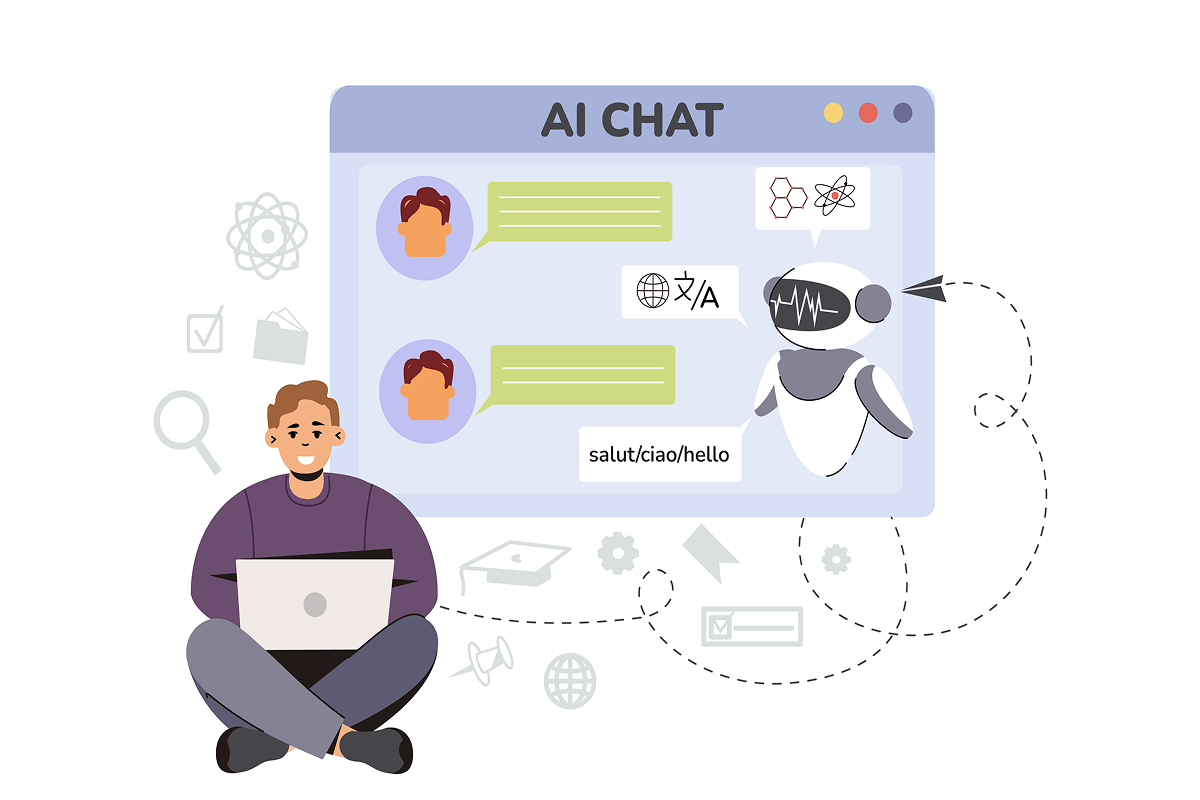
AI tools favor sources they see as experts in a subject. Topical authority means you have covered a topic thoroughly across your site, not just in one page. A site with 20 well-written posts on SEO, each covering a different angle, signals expertise. One generic overview does not.
Start by mapping out every question your audience asks about your service. Then build content that answers each one clearly. Over time, this depth tells AI that your site is a reliable source on the topic.
Entity optimization is one of the most overlooked parts of AI visibility strategy. An entity is any clearly defined person, place, brand, or concept. Google and peruse entities to understand what a page is about.
To show up in AI answers, your brand needs to be recognized as an entity. That means your business name, location, services, and key people should appear consistently across your website, Google Business Profile, and any third-party sources that reference you.
ReachGiant, for example, works with clients on entity optimization as part of its SEO services because brand clarity directly affects how AI reads and cites a site.

Structured data markup is code added to your pages that tells search engines and AI exactly what your content is about. FAQ schema, how-to schema, organization schema, and article schema all help AI parse your content faster and more accurately.
A page with clear schema markup is easier for AI to quote and cite than a page without it. This is one of the most direct technical steps you can take to increase AI search visibility.
If you are not sure whether your pages have schema in place, a technical SEO audit will surface the gaps quickly.
AI tools are built to return direct answers. If your content buries the answer in the third paragraph, after two sentences of background and a list of qualifications, AI will find a competitor that gets to the point faster.
Write your answers first. Put the direct response in the first one or two sentences. Then expand on it. This format, sometimes called the inverted pyramid, works well for both human readers and AI systems pulling citations.
Conversational search optimization means writing the way people actually ask questions, not the way you would write a press release.
Brand mention tracking in AI results is still a developing practice, but it matters. If you want to increase AI visibility, you need to know where your brand is already appearing and where it is not.
Tools like Peec AI and others in the AI monitoring space let you track how often your brand gets cited in AI-generated answers. Start by checking your brand name and your top services across a set of prompts. What is your AI visibility score? Who is getting cited instead of you?
This data tells you where to focus your content and entity-building efforts.
These are the things that move your AI visibility score in the right direction:
Most agencies build websites and write content for traditional search. ReachGiant builds for where search is going. Our team integrates entity optimization, schema markup, and AI search visibility thinking into every project from the start.
We have worked with brands including Porsche, Spotify, and Bulgari, and we apply the same strategic approach to businesses at every size. If you want to rank in ChatGPT and increase your presence in AI-generated answers, the foundation is the same as strong traditional SEO, but the execution requires a more structured, entity-aware approach.
AI search is not replacing SEO. It is raising the bar for what good SEO looks like. Brands that build topical authority, use structured data, and write clear direct-answer content are the ones AI cites most often. Start with the technical basics, then build out your content to cover your topic deeply and consistently.
If you want help building an AI visibility optimization strategy, ReachGiant is ready to work with you. Book a meeting to get started.
1. What does it mean to rank in ChatGPT?
Ranking in ChatGPT means your brand or content gets cited when a user asks a question related to your industry. ChatGPT pulls from sources it considers credible and clear. Strong entity signals, structured content, and topical authority increase the chance of being cited.
2. How is AI search different from traditional Google search?
Traditional search returns a list of links. AI search returns a direct answer, sometimes without any links at all. To show up in AI answers, your content needs to be structured as a clear response to a question, not just optimized for a keyword.
3. What is topical authority and why does it matter for AI visibility?
Topical authority means your site covers a subject in depth across multiple pages. AI tools favor sources with clear expertise. A site with thorough, focused content on a topic gets cited more often than one with a single generic overview.
4. How does schema markup help with AI search visibility?
Schema markup tells AI and search engines exactly what your content contains. FAQ, how-to, and organization schema make it easier for AI to read and cite your content accurately. Pages without schema require AI to interpret content on its own, which often means getting skipped.
5. Can small businesses compete in AI search against larger brands?
Yes. AI search rewards clarity and relevance, not just brand size. A small business with well-structured content, consistent entity signals, and strong topical coverage can outperform a larger brand that has not invested in these areas.
6. What is an AI visibility score?
An AI visibility score measures how often your brand appears in AI-generated answers for relevant queries. Tools like Peec AI track this. It gives you a baseline to measure progress as you build out your AI search optimization strategy.
7. How do I track brand mentions in AI results?
Use AI monitoring tools that run prompts related to your services and track whether your brand gets cited. ReachGiant can help identify the right tools and set up a tracking process as part of an ongoing SEO engagement.
8. What content formats work best for conversational search?
Direct-answer formats work best. Put the answer in the first sentence, then expand with context. FAQ pages, how-to guides, and structured listicles with clear headings all perform well in conversational AI search.
9. How long does it take to see results from AI search optimization?
Results vary, but most clients see measurable changes in AI visibility within three to six months of consistent content and technical improvements. Entity optimization and schema markup tend to show faster gains than content depth alone.
10. Does optimizing for ChatGPT help with Google rankings too?
Yes. Most of what improves AI visibility also improves traditional search rankings. Topical authority, structured data, entity optimization, and clear direct-answer content all align with what Google rewards. It is not a separate strategy, it is a stronger version of the same strategy.




.png)

.png)
.png)

.png)
.png)
.png)






.svg)