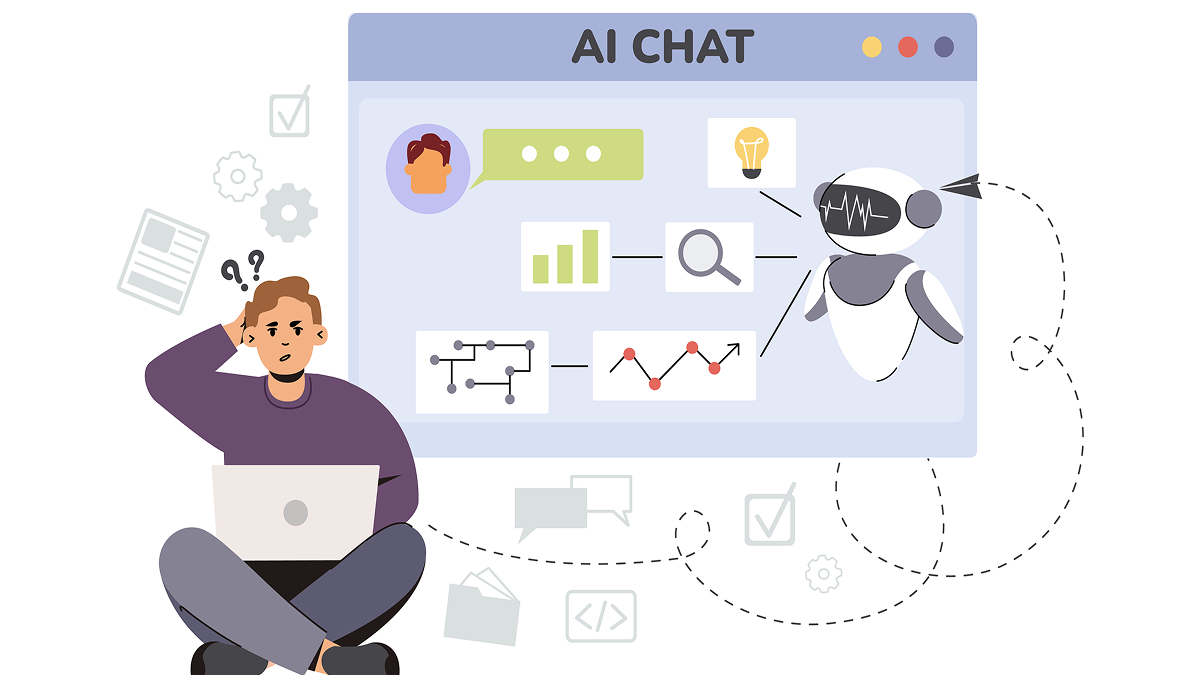
AI chatbots are no longer a tech experiment. They are a core part of how businesses handle customer service, cut costs, and stay available around the clock. These chatbot statistics show how fast adoption has grown, what the results look like, and what it means for your business.
The AI chatbot market has grown fast over the past several years. It was valued at roughly $5 billion and is on track to exceed $27 billion within the next decade, according to data from Grand View Research.
Chatbot adoption across businesses grew by over 67% in recent years. More than 80% of companies say they either already use chatbots or plan to add them to their customer experience strategy.
These chatbot statistics make one thing clear. This is not a passing trend. Real budget is moving toward conversational AI tools across every major industry.
Customer service is where most chatbot adoption starts. The numbers in this area are worth paying close attention to.
These customer service automation statistics explain why companies of all sizes are investing in support automation. Speed and availability matter to customers, and chatbots deliver both.

One of the most cited reasons for chatbot adoption is cost. The reduction in operational costs from chatbot use is well documented.
Research from IBM shows that chatbots can reduce customer support costs by up to 30%. That number grows more meaningful at scale.
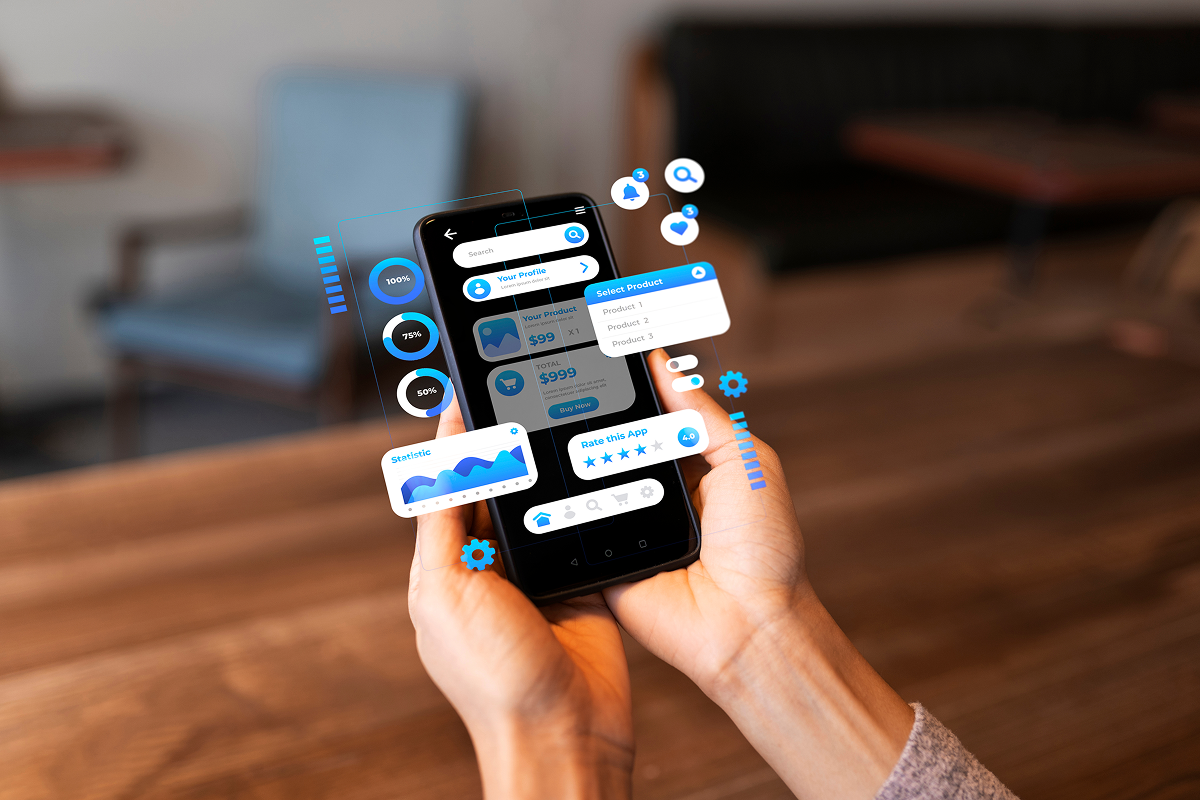
A business handling thousands of support tickets per month can automate a large share of them. Password resets, order tracking, appointment scheduling, and FAQ responses do not require a human agent. AI chatbots handle all of these tasks without adding headcount.
These chatbot statistics on cost savings are a key driver of the rapid rise in chatbot adoption rates. The math is straightforward for most businesses.
Chatbots are not limited to one type of business. Chatbot usage statistics show strong adoption across several sectors.
Each of these industries reports meaningful improvements in response time and customer satisfaction after adding support automation.
A few platforms hold most of the AI chatbot market share. ChatGPT from OpenAI has the largest public profile, but it was not the first chatbot. ELIZA, built at MIT in the 1960s, is often credited as the first true chatbot. ChatGPT changed the scale and quality of conversational AI available to everyday users.
Today, major players include products from Google, Microsoft, Meta, and OpenAI. Businesses also use dedicated customer service tools like Intercom, Drift, and Zendesk AI.
Competition in the AI chatbot market is pushing every platform to improve quickly. That benefits businesses that rely on these tools day to day.
This is where the chatbot statistics get more layered. Satisfaction results depend heavily on what the chatbot is being asked to do.
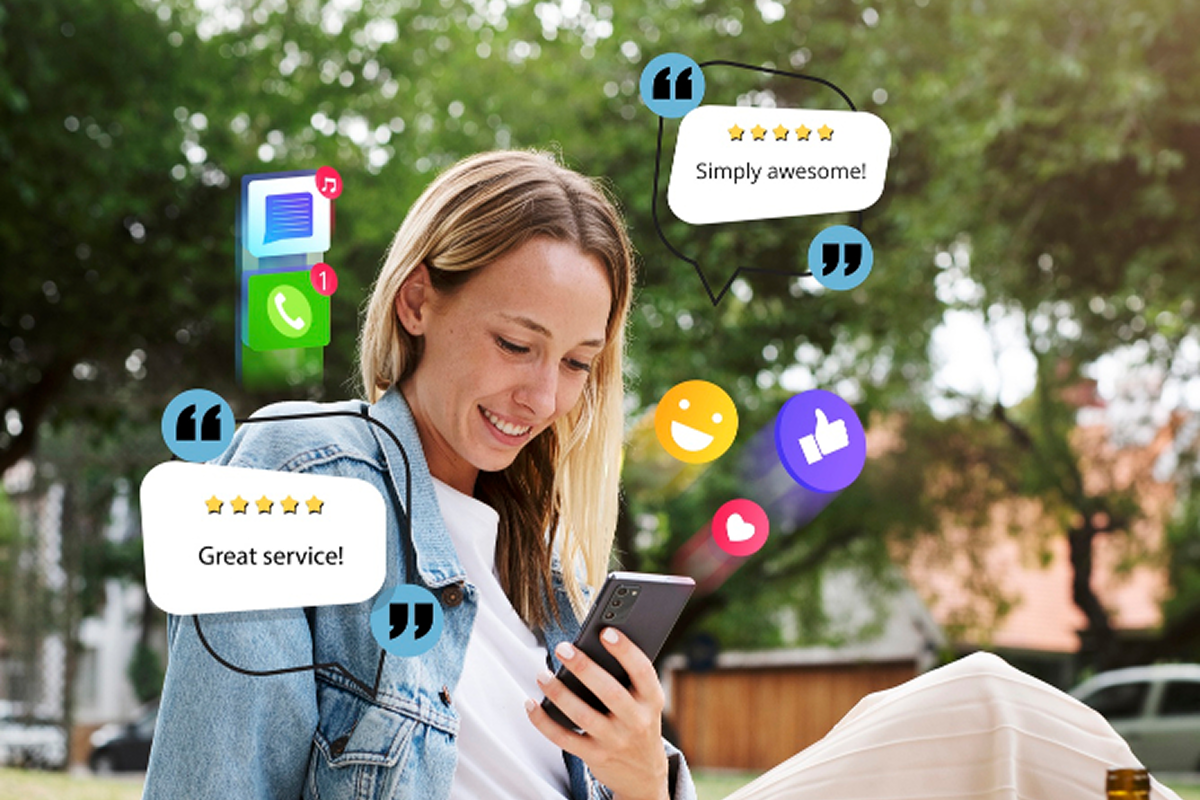
For simple, repetitive questions, chatbot customer satisfaction rates are high. Users are happy to get a fast and accurate answer without waiting.
For complex problems that need empathy or judgment, chatbots still fall short. The businesses that report the best satisfaction scores use a hybrid model. AI chatbots handle volume. Human agents handle the exceptions.
Knowing what to automate and what to keep human is the real skill here.
This question comes up often. AI chatbots like ChatGPT and Google Gemini have changed how people look for information. Instead of scanning a page of links, users ask a direct question and get a direct answer.
This shift is real. But search engines are not going away. They are adding AI features to stay relevant and useful.
For businesses, this means your content strategy needs to account for both traditional search and AI-generated answers. ReachGiant's SEO services are built to keep your brand visible across both formats as search behavior continues to change.
The chatbot statistics point in one direction. AI chatbots save time, lower costs, and improve response speed for routine questions.
They are not a full replacement for human support. But they are a practical tool for any business that wants to work more efficiently and serve customers faster.
If you have not added any form of support automation yet, most of your competitors likely have. Chatbot adoption rates across industries suggest this technology is now a standard part of competitive operations.
If you want to build the digital foundation that supports these tools, the ReachGiant team can help you build a site that is ready for what comes next. Book a free consultation to talk through your options with no pressure and no commitment.
What is the success rate of AI chatbots?
AI chatbots resolve between 80% and 90% of routine customer service questions without human help. Success rates depend on how well the chatbot is trained and what types of questions it handles. Simple, repetitive tasks yield the best results.
What percentage of Americans use AI chatbots?
Estimates vary, but surveys show that a large and growing share of Americans have used an AI chatbot for at least one task. Usage is highest among younger adults and in customer service interactions with major retailers and tech companies.
Is ChatGPT the first chatbot?
No. ELIZA, built at MIT in the 1960s, is widely credited as the first chatbot. ChatGPT is the most widely used conversational AI today, but it builds on decades of research and earlier tools.
Are AI chatbots replacing search engines?
Not replacing them, but changing them. Users now ask AI tools direct questions instead of scanning search results. Search engines are adding AI features in response. Both formats matter for businesses that want to stay visible online.
Are chatbots a waste of AI potential?
Not when used correctly. Chatbots are a practical application of AI that delivers real results in customer service and support automation. The waste comes from using them for tasks that require human judgment instead of focusing them on what they do well.
How do AI chatbots know what to say?
AI chatbots are trained on large amounts of text data. They predict the most relevant response based on patterns in that data. More advanced models also pull from live databases or internal knowledge bases to give accurate, up to date answers.
Can AI chatbots tell they are talking to another AI chatbot?
Sometimes. Advanced AI models can recognize patterns in language that suggest automated responses. But this is not reliable or consistent. Most chatbots are not built to detect other chatbots specifically.
What is the best way to use an AI chatbot for customer service?
Use chatbots to handle high volume, routine questions. Keep human agents available for complex issues and situations that need empathy. Track resolution rates and customer satisfaction scores regularly to find gaps and improve over time.
Has anyone made a chatbot for WhatsApp?
Yes. WhatsApp has an official Business API that allows businesses to build and deploy chatbots on the platform. Many companies in retail, logistics, and healthcare use it to handle customer questions and send automated updates.
Will AI chatbots always guess based on statistics rather than understand truth?
Current AI chatbots predict responses based on patterns in training data. They do not understand truth the way humans do. They can give accurate answers when trained on good data, but they can also produce incorrect responses with confidence. Human oversight remains important.


.png)

.png)
.png)

.png)
.png)
.png)





.svg)