
Along with your Google ads management or search engine optimization efforts, online reputation management is how businesses take an active role in shaping that judgment rather than leaving it to chance.
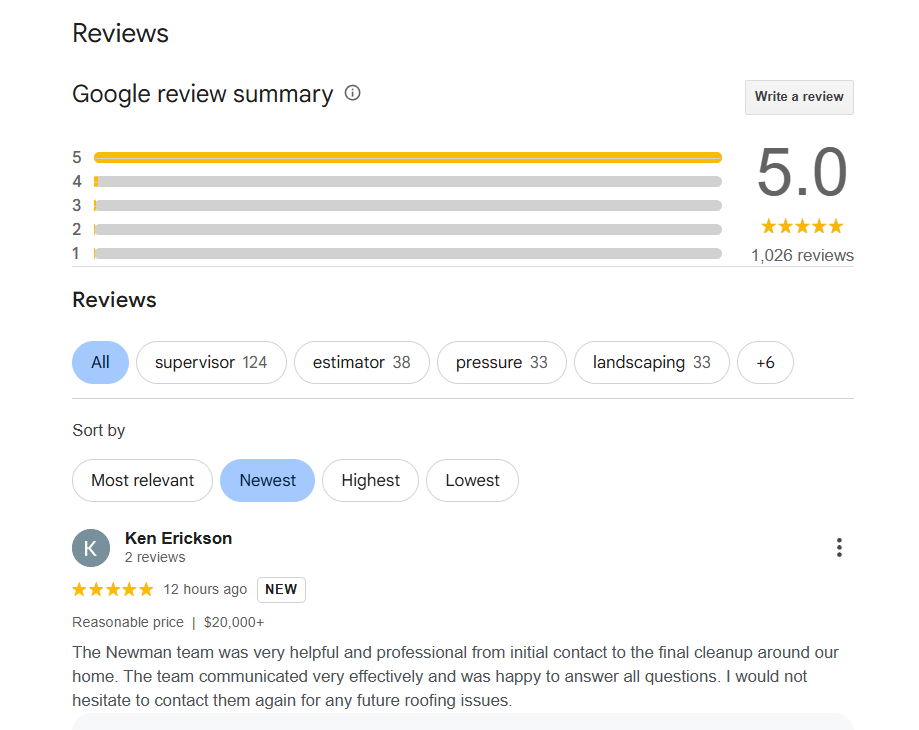
Every time a potential customer searches your business name, they make a judgment call. They read reviews, check your social media presence, and scan search results to decide if you are trustworthy, and all of this happens before they ever contact you.
More than damage control, online reputation management is the ongoing process of monitoring, influencing, and improving how your business is perceived across the web.
It is not simply about responding to bad reviews when they appear. It is about building a consistent positive presence that accurately represents your business and reduces the impact of occasional negative feedback.
Businesses that engage consistently with their online presence through dedicated digital marketing team shape the narrative. Those that do not hand that control to everyone else.
Effective online reputation management starts with consistent monitoring across all platforms where your business appears. From there, a working system covers four connected areas.
1. Monitor what is being said about your business
2. Build a review response protocol
3. Generate reviews from satisfied customers
4. Create content that controls your search results
The Silent Cost of a Neglected Online Reputation
The biggest cost of poor online reputation management is invisible. Potential customers who encounter negative reviews or outdated information simply move on to a competitor.
They do not call to ask questions or give you a chance to explain. They leave your sales funnel before you ever knew they were there.
Negative reviews carry a multiplier effect. One bad review does not cost you one customer. It influences every person who reads it, and on high-traffic platforms that number compounds quickly.
.webp)
Meanwhile, competitors with better-managed reputations win those customers by default, not necessarily because they offer a better service, but because they manage what customers see online more effectively.
This dynamic affects revenue in ways that rarely show up clearly in analytics. Slow periods get attributed to seasonality or market conditions when the actual issue is a damaged online presence quietly pushing customers away before they ever engage.
Reputation management takes more time than most small business owners expect. Multi-location businesses face even more complexity, and some reputation problems create cycles that are genuinely difficult to break from the inside.
Moz's Beginner's Guide to SEO notes that unmanaged reputation signals can compound into broader ranking issues over time.
Your online reputation is either getting stronger or weaker. There is no neutral position. Starting with small, consistent actions beats waiting for a perfect system.
If the workload exceeds your capacity, ReachGiant helps small businesses combine SEO, review management, and content into one cohesive approach. Contact us to talk through where your online presence stands.
1. What is online reputation management and why does it matter for small businesses? It is the process of monitoring and improving how your business is perceived online. It matters because most potential customers research online before deciding, and what they find directly influences whether they choose you or a competitor.
2. How do negative reviews affect my business? They reduce trust and push potential buyers toward competitors before they ever contact you. A single unaddressed negative review can influence many readers, making timely, professional responses essential.
3. Can I remove negative reviews from Google or Yelp? Only if they violate platform policies, such as fake reviews or personal attacks. The most effective approach is responding professionally and generating positive reviews that reduce the impact of negative ones.
4. How do I get more positive reviews from customers? Build review requests into your follow-up process through post-purchase emails, direct asks, or automated reminders. Most satisfied customers do not leave reviews unless prompted.
5. What platforms should I monitor for my business reputation? At minimum, monitor Google Business Profile, Facebook, and any industry-specific review platforms relevant to your business. Google Alerts catches mentions across the broader web.
6. How quickly should I respond to reviews? Within 24 to 48 hours. Faster responses signal attentiveness and value. Delayed responses to negative reviews can give the impression that you are indifferent to customer concerns.
7. What is the difference between reputation management and SEO? SEO improves visibility for relevant keywords. Reputation management controls what appears when people search your business name. The two overlap because positive content and strong review signals improve both simultaneously.
8. How does online reputation management help with local search rankings? Google factors review quantity, recency, and response activity into local rankings. Businesses with more recent positive reviews and consistent owner responses tend to rank better in local search and map pack results.
9. What should I do if my business is facing a reputation crisis? Address it quickly and professionally. Acknowledge the issue, communicate your resolution steps, and avoid public arguments. A crisis plan in place before problems occur ensures faster, more composed responses.
10. When does it make sense to hire a professional for online reputation management? When monitoring, responding, and producing positive content exceeds your team's capacity, or when reputation problems are actively affecting revenue. A professional team manages reputation consistently at a level most businesses cannot sustain internally.


.png)

.png)
.png)

.png)
.png)
.png)





.svg)