
Knowing how to market to Gen Z is one of the more humbling exercises in modern business. This generation skips ads in seconds. They follow creators over corporations. And they can spot fake content from three scrolls away. For small business owners trying to grow, that creates a real challenge but also a real opportunity.
Gen Z has serious purchasing power. They are also very vocal about the brands they love. Businesses that figure out how to reach them build loyal audiences that convert consistently. The ones that don't end up burning budget on campaigns that get ignored.
At ReachGiant, we work with businesses at all stages of digital growth. The same theme keeps coming up: brands struggling to connect with younger audiences because they're using old playbooks. This guide is about writing a new one.
Gen Z grew up with the internet as a basic part of life, not a novelty. That changes everything about how they respond to brands. What worked on millennials doesn't automatically transfer. Treating it like it does is where most marketing budgets go to waste. A survey of 1,000 US Gen Z adults ages 21 to 27 found that 81% use social media daily. Over half spend three or more hours on it. That tells you everything about where their attention lives.

A few things set this audience apart:
Platform selection isn't a minor detail when reaching Gen Z consumers. It's the whole game. Short-form video dominates their attention. Brands without a presence on TikTok, Instagram Reels, or YouTube Shorts are essentially invisible to this audience.
Each platform has its own content style worth understanding for your social media marketing plan:
Email is low priority compared to the feeds they check constantly. If you're running social media advertising, mobile-optimized creative is non-negotiable. An ad that isn't built for a vertical screen gets dismissed immediately.
Influencer marketing has become one of the most reliable ways to reach Gen Z. But the strategy has changed a lot. Celebrity endorsements and mega-influencer partnerships are less effective than they used to be. Gen Z knows the difference between a genuine recommendation and a paid placement.
A strong influencer marketing strategy for this audience leans heavily on micro and nano influencers. These are creators with smaller but highly engaged followings in a specific niche. These partnerships tend to drive more trust because the influencer's audience sees them as a peer, not a celebrity.
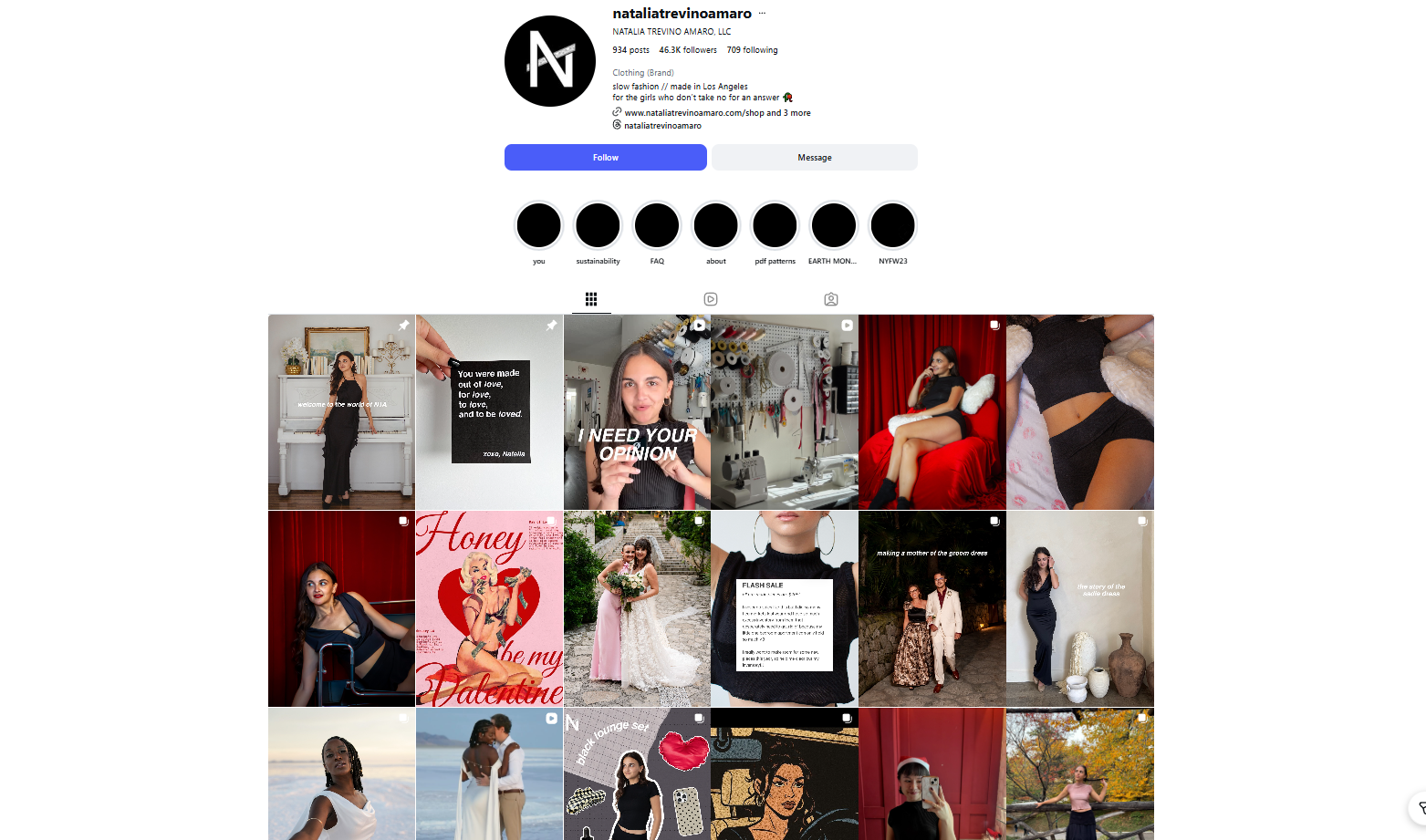
The key is letting influencers speak in their own voice. Brands that hand over rigid scripts end up with content that feels stiff and out of place. The most effective influencer content looks and sounds like something the creator would have posted anyway, with the product or service woven in naturally.
User generated content is one of the highest-performing assets in a Gen Z marketing toolkit. When real customers share their experiences on their own terms, it carries more weight than almost any brand-produced creative. Gen Z trusts people over polished campaigns. UGC is the most direct way to put that dynamic to work for your brand.
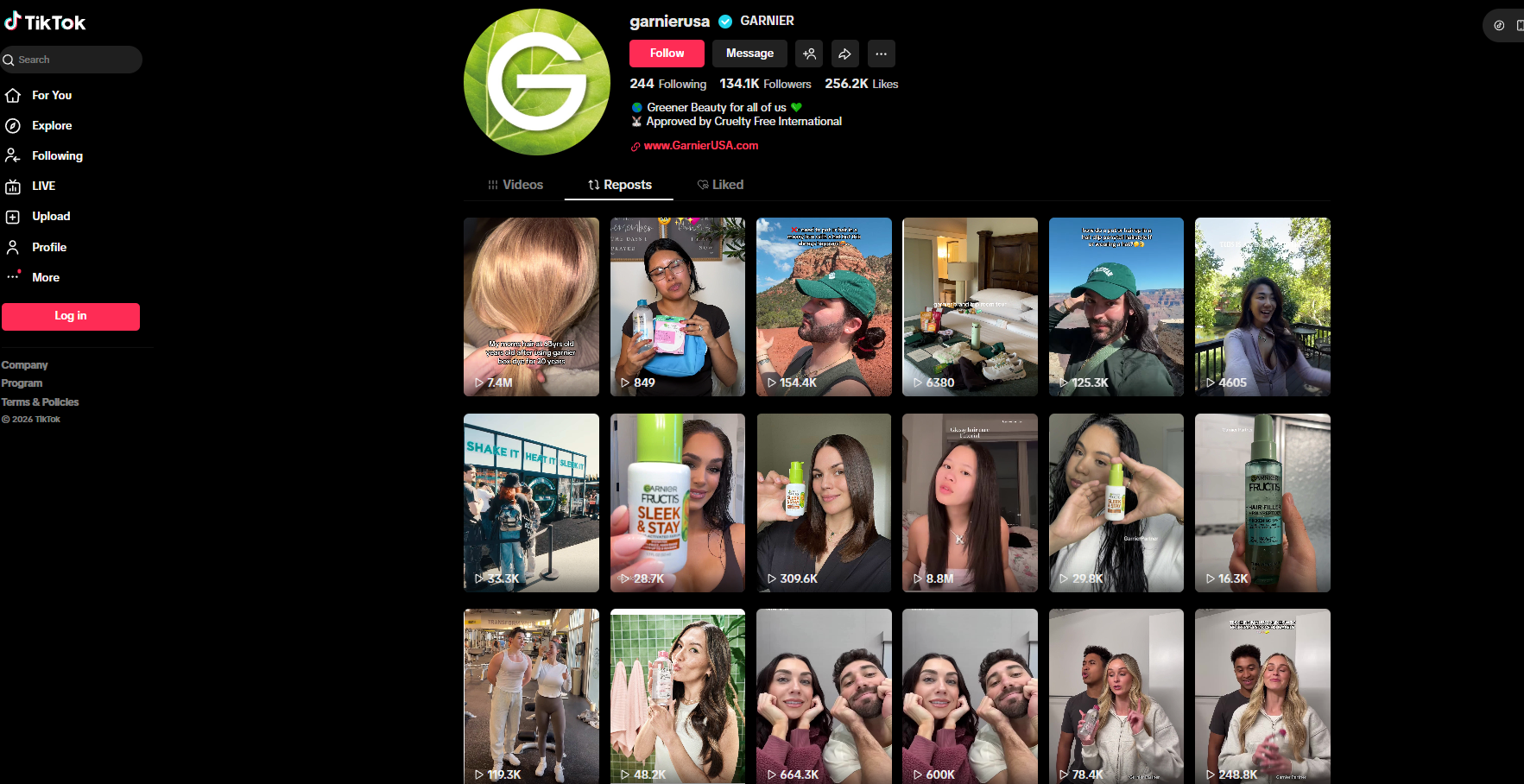
There are a few reliable ways to get it flowing consistently:
Brands that make UGC a core part of their strategy see compounding results. The content library grows over time. Every new post doubles as social proof.
Personalized ads are one of the most effective marketing strategies for Gen Z, especially when they feel helpful. They can feel jarring when they feel like surveillance.
This generation is more digitally aware than any that came before. They understand that targeting exists. What they respond well to is ads that genuinely match their interests, content that appears in their feed and feels like it belongs there.
What they push back against is lazy retargeting. Following them around the internet with the same product image they looked at once doesn't work. Messaging that tries too hard to signal "we know you" doesn't work either. The sweet spot is relevance without the feeling that a brand has been watching their every move.
Getting this right requires good audience segmentation and fresh creative. That's where working with a team experienced in content marketing and ad strategy pays off. The targeting matters, but so does what you put in front of people.
Pulling all of this together means starting with clarity on who exactly you're trying to reach. Gen Z is not one group. A 19-year-old college student and a 26-year-old professional both fall within the age range. But they use platforms differently, respond to different content, and have different relationships with brands.
Once you know your specific audience, the strategy builds from there:
Keep a close eye on how search engine visibility fits into your overall presence. Gen Z does search, they just do it differently. Often on TikTok and YouTube before they ever open Google. Making sure your content shows up where they're actually looking is part of the picture.
The brands winning with Gen Z right now are not doing so because they ran one great campaign. They've built genuine presence. They create content that earns attention rather than interrupting it. And they stay consistent even when trends shift. That kind of growth takes real strategy and sustained effort.
If you're looking to build a Gen Z marketing approach that's grounded in data and actually fits your business, talk to our team. We'll walk you through what's working right now and what it would take to start seeing results.
Is Gen Z hard to market to? Gen Z isn't hard to reach. But it is hard to impress. They respond well to authentic content and real brand values. They tune out anything that feels overly polished or sales-driven. Brands willing to show personality and genuinely engage tend to earn strong loyalty.
What are the 7 C's of marketing mix? The 7 C's are Customer, Cost, Convenience, Communication, Consistency, Credibility, and Culture. When applied to Gen Z marketing, culture and credibility carry the most weight. This audience buys into brands that reflect values they actually hold.
What is the best channel to reach Gen Z? Short-form video platforms, primarily TikTok and Instagram Reels, can be the best way to advertise to Gen Z. For product discovery, TikTok has become a serious competitor to Google. The right channel depends on your audience segment and content style.
What attracts Gen Z the most? Authentic content, clear brand values, and brands that act more like people than corporations. Gen Z gravitates toward brands that take positions, support causes they believe in, and show transparency, including about their imperfections.
How to market to Gen Z women? Focus on the niche communities they're most active in. Speak to real experiences rather than idealized ones. Choose creators whose audiences organically align with your product. Avoid messaging that feels performative or leans on outdated gender tropes.
How to market to Gen Z on social media? Prioritize native content that fits each platform's format. On TikTok, lead with a strong hook in the first two seconds. On Instagram, lean into visual identity. Work with micro-influencers, encourage user generated content, and show up consistently rather than in bursts.
What does Gen Z post on social media? Gen Z shares experiences, opinions, humor, identity-driven content, and commentary on culture. They engage heavily with trends but add their own twist. Brands that give them a reason to post, such as challenges, creative prompts, or shareable content formats, tend to generate organic visibility.
How much time does Gen Z spend on social media per day? Estimates consistently show Gen Z spends several hours per day across platforms. TikTok and Instagram lead usage. Mobile accounts for the vast majority of that time.




.png)

.png)
.png)

.png)
.png)
.png)






.svg)